Maximizing Results: Working with an Industrial Contractor
When it comes to large-scale industrial projects, selecting the right industrial contractor is critical. From site work and industrial maintenance...
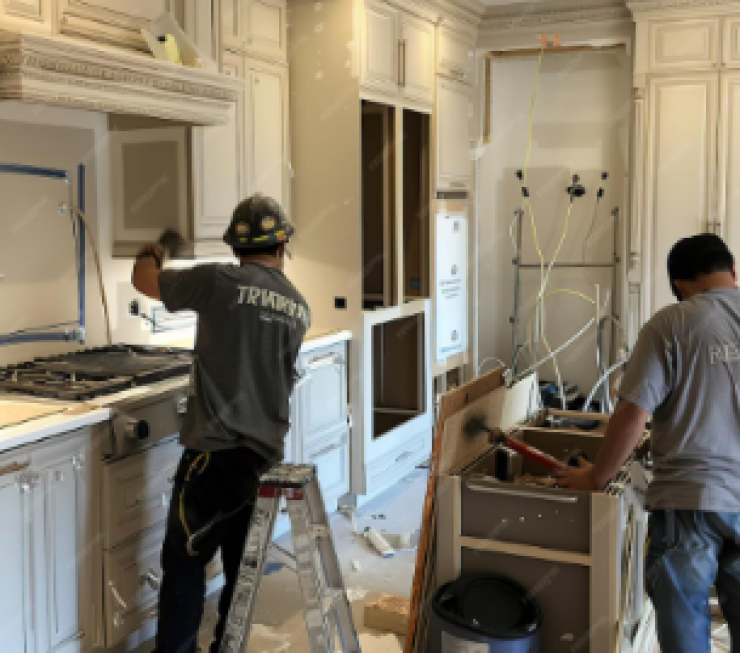
Before hiring any remodeling contractor in Gulfport, verify they hold proper licenses for the work they'll perform. Mississippi requires licenses for electrical, plumbing, and HVAC work. General contractors working on projects above certain dollar amounts also need licenses. Checking license status protects homeowners from unlicensed operators.
Insurance coverage matters as much as licensing. Contractors should carry general liability insurance to cover property damage and workers' compensation for their employees. Request proof of current insurance and verify coverage with the insurance company. This verification prevents homeowners from liability if accidents occur during work.
Examining completed projects gives insight into a contractor's quality and style. Ask to see photos of recent remodels similar to your project. If possible, visit actual job sites or completed projects to assess workmanship firsthand. This inspection reveals attention to detail and finishing quality.
Contact references provided by contractors and ask specific questions about their experiences. Did the contractor complete work on schedule? Were there unexpected costs? How did they handle problems? Would the reference hire them again? Honest answers from past clients provide valuable information for decision-making.
A contractor's communication style during initial meetings often reflects how they'll communicate throughout the project. Professionals who respond promptly to calls and emails, arrive on time for appointments, and clearly answer questions typically maintain this standard during work.
Notice how contractors discuss your project ideas. Do they listen carefully and ask relevant questions? Do they offer suggestions based on experience? Good contractors balance respecting your vision with providing professional guidance. This collaborative approach leads to better results.
Detailed written estimates help compare contractors fairly. Estimates break down costs for materials, labor, and other expenses. Vague estimates that lump everything into one number make comparison difficult and hide problems.
Payment schedules should align with project progress. Avoid contractors demanding large upfront payments before starting work. Reasonable payment terms might include a deposit, progress payments at specific milestones, and final payment upon completion. Never pay in full before work finishes.
Online reviews on multiple platforms provide perspectives from various clients. Look for patterns in reviews rather than focusing on single negative comments. Contractors with mostly positive reviews and thoughtful responses to criticism demonstrate commitment to customer satisfaction.
The Better Business Bureau maintains records of complaints and resolutions. Checking BBB ratings reveals how contractors handle disputes. Long-standing businesses with good BBB records show stability and reliability.
Realistic timelines matter for planning purposes. Experienced contractors can estimate project duration based on scope and complexity. Be cautious of timelines that seem too quick or contractors who can start immediately on large projects. Quality contractors often have scheduled work and need time before starting new projects.
Understand the contractor's availability and how many projects they manage simultaneously. Contractors juggling too many jobs may struggle to give your project adequate attention. Discuss how often they'll be on site and who will supervise daily work.
Written contracts protect both homeowners and contractors. Contracts should detail work scope, materials specifications, start and completion dates, payment schedule, and change order procedures. Read contracts carefully before signing and ask questions about unclear terms.
Warranties on workmanship and materials should appear in contracts. Understand what's covered, for how long, and what actions might void warranties. Some contractors offer better warranty terms than others, making this a comparison point.
Gulfport's coastal location requires specific building codes for wind resistance and flood elevation. Contractors should demonstrate familiarity with these requirements. Ask how they handle permits and inspections. Professionals who understand local codes prevent costly mistakes and delays.
Some remodeling projects require engineering input for structural changes. Contractors should know when to involve engineers and have relationships with local structural professionals. This knowledge indicates experience with difficult projects.
Quality materials contribute significantly to project success. Discuss material options and understand what contractors typically use. Some contractors have relationships with suppliers that provide quality materials at good prices. Others may use lower-grade materials to reduce costs.
Ask who purchases materials and where they source products. Contractors who buy from reputable local suppliers usually get better products than those using unknown sources. Understand if material costs in estimates are fixed or subject to change.
Remodeling projects often reveal unexpected issues like hidden water damage or outdated wiring. Discuss how contractors handle unforeseen problems. Do they contact homeowners immediately? Do they present options with cost implications? How they approach surprises affects both project costs and your stress level.
Contractors experienced in older homes understand common hidden issues. This experience helps them anticipate problems and budget appropriately. Less experienced contractors may underestimate complications, leading to surprise costs.
Some projects require specific expertise. Kitchen remodels involving gas line work, electrical upgrades, and plumbing changes need contractors comfortable coordinating multiple trades. Bathroom remodels require waterproofing knowledge. Coastal home modifications need knowledge of moisture control and corrosion-resistant materials.
Verify that contractors have successfully completed projects similar to yours. Someone excellent at room additions may lack experience with outdoor living space construction. Matching contractor expertise to your project type increases success likelihood.
Most remodeling projects involve subcontractors for specialized work. Ask who will perform electrical, plumbing, or other specialty work. Quality general contractors use reliable subcontractors they've worked with repeatedly. This consistency improves coordination and accountability.
Understand if subcontractors carry their own insurance and licenses. Homeowners may have liability if unlicensed or uninsured workers get injured. Contractors using properly credentialed subcontractors reduce these risks.
Some contractors offer design assistance while others execute homeowner-supplied plans. If you need design help, confirm the contractor can provide this service or recommend designers. Projects benefit from contractors involved in planning because they can flag construction issues early.
Contractors familiar with design trends and materials can suggest options you might not consider. This input adds value beyond basic construction services. Some contractors charge separately for design services while others include it in overall project costs.
Certain behaviors should raise concerns. Contractors who pressure immediate decisions, offer prices significantly below others, or resist providing references may cause problems later. Those unwilling to provide written contracts or proof of insurance create unnecessary risks.
Contractors who badmouth other professionals or make unrealistic promises about timelines and costs often disappoint clients. Trust your instincts if something feels off during initial meetings. Professional contractors maintain standards that give homeowners confidence.
Obtaining estimates from three to five contractors allows meaningful comparison. Lowest bids aren't always best choices if contractors plan to cut corners or use inferior materials. Extremely high bids may indicate inefficiency or excessive markup.
Compare what each estimate includes and excludes. Some contractors include demolition, debris removal, and cleanup while others charge extra. Knowing complete project costs requires reading estimates carefully and asking about anything unclear.
After researching contractors, reviewing estimates, and checking references, homeowners must decide whom to hire. Consider all factors including cost, professionalism, experience, and personal comfort level. The contractor you choose will be in your home regularly, so good working relationships matter.
Starting projects with clear expectations, documented agreements, and mutual respect sets the stage for success. While problems may arise during remodeling, choosing contractors carefully minimizes risks and increases the likelihood of results that meet your expectations and improve your Gulfport home.